Hotay and Kanda: Upbringing
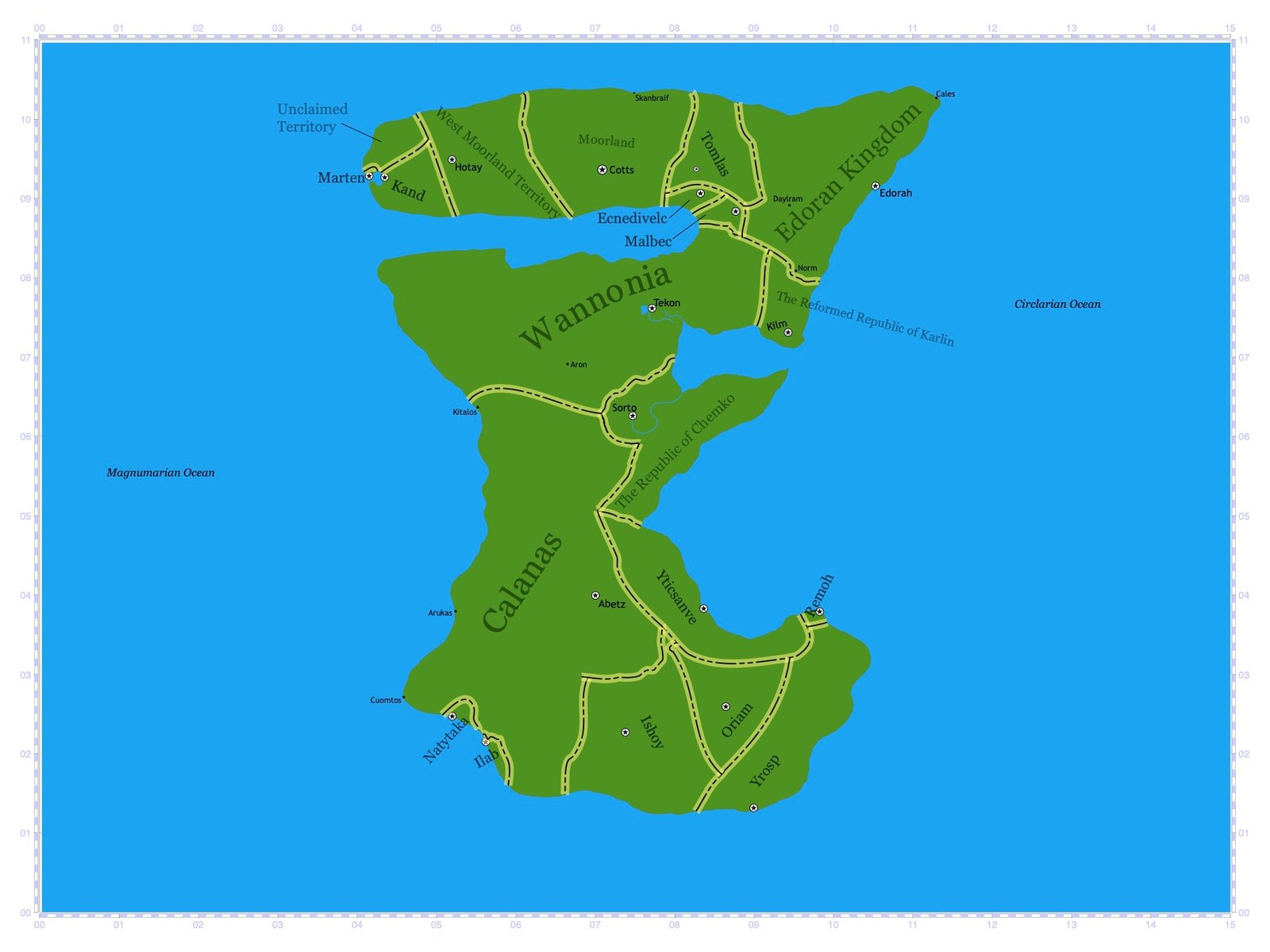
The two sisters, Hotay and Kanda, were born to a family working for the Moorlandish guilds. The mother drove a cart transporting metallic resources, while their father crafted such metals into sharp edges, to be made into blades. Early on, the sisters were taught the Alconist faith and were made to do petty chores around the palace of Estemor, the owner of the Fighters' Guild. Later on, they were expected to work in the grain fields until reaching adulthood, then taking on the same occupations as their parents, or what would be determined by the guild leadership. Hotay, the older of the two sisters, initially conformed to the prescribed curriculum. Kanda, in contrast, desired to live a life independent of such constraints, rejecting even Alconist teachings.
As Queen Ledana overtook the Kingdom of Moorland, the entire family, including Kanda, grew opposed to the idea of a state ruled by a monarch, who possessed no other trade other than to govern. They, as a result, moved with the remainder of the Fighters' Guild to the more distant city of New Cotts.
Kanda's Resistance
In New Cotts, a new government in the form of a Guild Leaders' Council began to emerge, where such a Council was led by Estemor and trade decisions were made mutually by those in their respective trades. The two sisters and their parents took part in the conflict against Queen Ledana; and took pride in the victory.
However, guild traditions resumed after the war, and Kanda began resisting this new establishment. As her sister, Hotay, was training to be a metal crafter like her father, Kanda failed to report to her post one day. In fact, accordingly, she fled her duties, gathering friends, and formed a band of outlaws against Estemor's Guild Council. Such a group began practicing crafts, including spellcrafting, independently of the guilds, which was illegal. Furthermore, they soon began, on numerous occasions, raiding the Palaces of the guild owners. In October 533, during a meeting of the Guilds' Council, Estemor called upon his Fighters' Guild to hunt figures suspected of being associated with this outlaw group. Hotay, for the first time, began expressing contempt toward the guild establishment, as a few of her friends were falsely accused.
In November 533, the Fighters' Guild found and attacked an encampment a few miles South of New Cotts, where they captured Kanda and killed her followers. Kanda was subsequently placed on trial, alone, against the guild owners. She was inevitably convicted and sentenced to spend her life in the unnamed fortress, now a prison, on the West Coast near Marten. Hotay attempted to convince Estemor and the makeshift jury otherwise, but they ignored her. The Fighters' Guild and her parents sent her to a metal crafting shop closer to the Eastern wall of New Cotts. At this place, Hotay met a crafter named Lemara, who trained her in combat and enlisted her as a Fighters' Guild warrior. Speculation has it that she also trained Hotay in spellcrafting secretly.
Hotay's Alliance
In April 534, Kanda, having learned spellcrafting skills during her time as an outlaw, managed to pick apart the locks holding her chains, and escaped into hiding within the prison corridors. Utilizing the same skills, she helped hundreds of other prisoners secretly escape and organized them into an army, supplying them with blades she stole from a discovered prison guards' reserve. In May, she launched a surprise attack on the guards, slaughtering all but one, a man named Ketor, who escaped to New Cotts.
Upon receiving Ketor's alarm, Estemor, in October, called upon the Guilds' Council to address the crisis via the Fighters' Guild. Hotay, herself, was called into battle. However, in November 534, en route to the fortress, she fled her post along with bands of secret recruits within her division, promising such recruits with personal freedoms and democracy, should her agenda succeed. In December, before the remainder of the Fighters' Guild forces arrived, Hotay and her followers reached the fortress and joined with those of her sister, who now ran the fortress, renaming it Kand. Together, they maneuvered around the Westward-moving Fighter Guild forces, undetected; and, in March 535, attacked New Cotts, now left vulnerable by the departure of the Guild fighters. The Fighters' Guild warriors, upon reaching Kand, received word that New Cotts was under attack, and turned to rush to the city's defenses. However, by the time they returned in May, New Cotts had fallen.
The Establishment of Hotay and Kand
In November 535, Hotay re-established the Guilds' Council under her influence, as her sister agreed to return to Kand and govern it, and surrounding lands, as a city-state in a similar fashion.
Hotay, however, went back on her promises for freedom and democracy. After the defeat of New Cotts, instead of engaging in diplomacy with him, Hotay immediately had Estemor put to death and made herself the leader of the Fighters' Guild. Anyone else within the ranks of the Guild opposed to her was also executed, as her forces overran the city, forcibly coercing guild members and city inhabitants to refer to the capital as Hotay, not New Cotts. Hotay influenced the new Guilds' Council to preserve the non-democratic model, and, in the place of the opposing members, instilled unquestioning followers.
The Malbeccan-Tomlassan War
Meanwhile, further East, the Tomlassans had discovered a quarry of gold in their Southern region. From it, they extracted the precious material, trading it among themselves and the other nations. This captured the interest of the Wannonians, who began constructing a fortress near their border.
King Mallan IV, who reclaimed the Malbeccan throne in 531, came to the belief, pertaining to Alconist doctrine, that the quarry contained the missing Arc of Totia, and that such a holy item was in the wrongful possession of the Tomlassans. In October 533, he launched an attack against the Tomlassan region encompassing the territory, and then, when the Arc was not found, another attack against the Tomlassan capital. King Mendon of Tomlas, unable to fend off the relentless Malbeccan raids, sent an envoy of messengers to King John in Edora for assistance. In June 534, the Edoran King responded with consent only upon the condition that the Edorans would gain sovereignty over the land encompassing the quarry, in response to the alarming notion of the construction of the Wannonian fortress. King Mendon agreed to the terms; and, in April 535, the Malbeccans, outnumbered, were driven back, while the land gained remained in Edoran hands.