Completion of the Basin Project
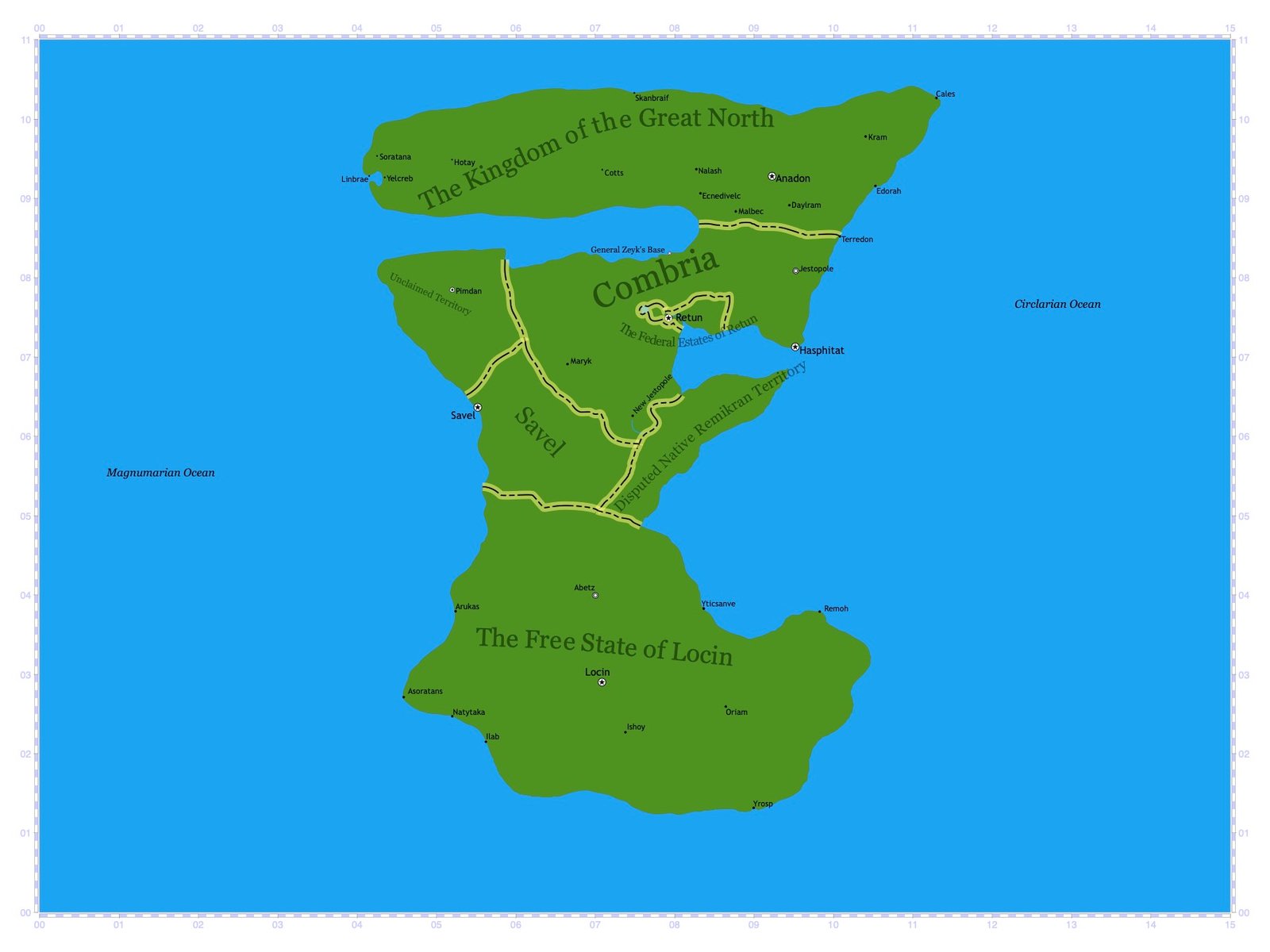
At the helm of the Basin Project were its original creators: the engineers, Thomas Reyshack and James Shawtun. They had proposed the idea, originally, in the 1190s, but were rejected on the basis of such a project being an unnecessary expense. In light of the Homestead Revisions, though, they, again, proposed the idea in 1227, and were approved. And thus, construction on the Basin Project began in 1231 with tree clearings and the excavation for the man-made Basin River. The Project utilized hydro-lubricant cells, which were made of a synthetic hubstone material and were based off of water, retaining some of its properties. Special derricks would infuse the material into the ground, as a cycling machine would use the material to draw out displaced earth while providing a gyro-sliding mechanism, necessary for future steps. Such derricks were placed in the River bed, as well as in and around the Basin District, and fired lubricant cells 500 feet into the ground. This process continued for another five and a half years, when the land under the Basin district separated from the rest of the continent, making it free to rotate. In the center of the Basin District, which was 10 miles in diameter, a gyro-clock mechanism was placed, which would keep the District's rotation speed regular and constant. On 5 January 1236, this function was officially begun, as John Marshall took office as Governor of New Hasphitat.
Initial Resistance
Laborers were hired from the surrounding territories and from the East Coast to work on the Basin Project until completion, taking one of three eight-hour shifts, so that work was done around the clock. Such employment, which involved either drilling, digging, building, or landscaping, was temporary, but, as promised by President Henry, would be compensated with a large sum payment, an early retirement, and property within the new city.
However, by 1236, most of these properties were given to various Councillors and their families, who had placed bids upon them and made purchases. And the retirement compensations were continually delayed due to the financial burdens of the war being fought in Savel. As these facts became apparent to them, the laborers, in May 1237, began protesting. After a discussion of resolutions with his Councillors, President Henry came forward with the promise to immediately pay the remainder of the respective owed retirement dividends to any laborer who volunteered for the Savel war effort. But the working class population resented this, and joined forces under the leadership of Reyshack and Shawtun, the leaders of the Project, who had been short-changed themselves. In the next month, they formed an elected Council, similar to the one leading Cabotton University. Such a Council demanded full payment of their promised compensations and otherwise threatened a general strike in the city of New Hasphitat. In response, President Henry sent a letter declaring the Council illegal and demanding that they cease functions. When the Council refused to honor such demands and vowed to defend their existence with force, President Henry deployed martial law officers. The Council confronted them with similar officers of their own, as violence erupted in New Hasphitat streets, leading President Henry to consider the Council dangerous.
On 3 September 1237, Mount Carris erupted and projected darkfire residue into the air, triggering panic throughout the region and the entire nation. Political divide ensued as President Henry falsely blamed the event of Reyshack and Shawtun, and called for their arrests. On 21 September, an officer, claiming to have misheard an order, found Shawtun and preemptively shot him dead. As news of this spread, protestors rioted in the city, forcing John Marshall to abandon his Governor post, and prompting President Henry to dispatch more martial law officers. Between 4 and 6 September, the two sides clashed, during which the other figure, Thomas Reyshack, was killed. In the days that followed, the resistance was divided and forced into perimeters.
War in the Wilderlands
Arnold Stone was born in the year 1191 to a wealthy family, with his father, James Stone, owning various pieces of property throughout the country. In 1204, they moved to an estate along the Southeast bank of Lake Maern; and in 1221, upon his father's retirement, Arnold Stone became the estate's owner. Stone initially kept his father's policies and had embraced establishment values. But his attitudes began to change. And in 1235, when his father passed, Stone began implementing new policies giving more rights and freedoms to his residents, publicly stating his growing compassion for change.
In November 1237, Stone went to New Hasphitat, where he re-united the resistance in a call for independence by restoring the Council and, furthermore, creating a flag bearing two horizontal stripes: one blue and one white. The political movement spread quickly to other communities in the area. Next month, Stone received a letter from President Henry, who called for the immediate disbandment of the assembly and declared the flag a mark of treason. To show the gravity of the warning, Henry also deployed fully-armed Combrian soldiers. Stone's supporters resisted Henry's forces with "pocket militias," militias, similar to those in the Great North, which formed to defend each of the surrounding communities. These were initially weak against Combrian troops. But toward the end of January 1238, they became more organized. Beginning in February 1238, Stone's "pocket militias" organized a formal coup, which attacked key Combrian strategic points in and around the Basin District, and overtook its army bases and air fields, granting them sole access to the latest technology in military defenses.
On 21 February 1238, New Hasphitat and its surrounding territories officially declared independence from the Chartered State of Combria, naming the new city to Retun, and naming the new nation the Federal Estates of Retun. The blue-and-white flag became its official colors; and Stone's Council issued a warning to President Henry that any Combrian military force in the territory would be confronted. The next day, President Henry dispatched Combrian military divisions to invade and reclaim the land. But as orders were carried out, Henry's troops encountered harsh and brutal resistance from the Retunians.
And thus, the Retunian Revolution had officially begun.