Edoran Parliament in Kram
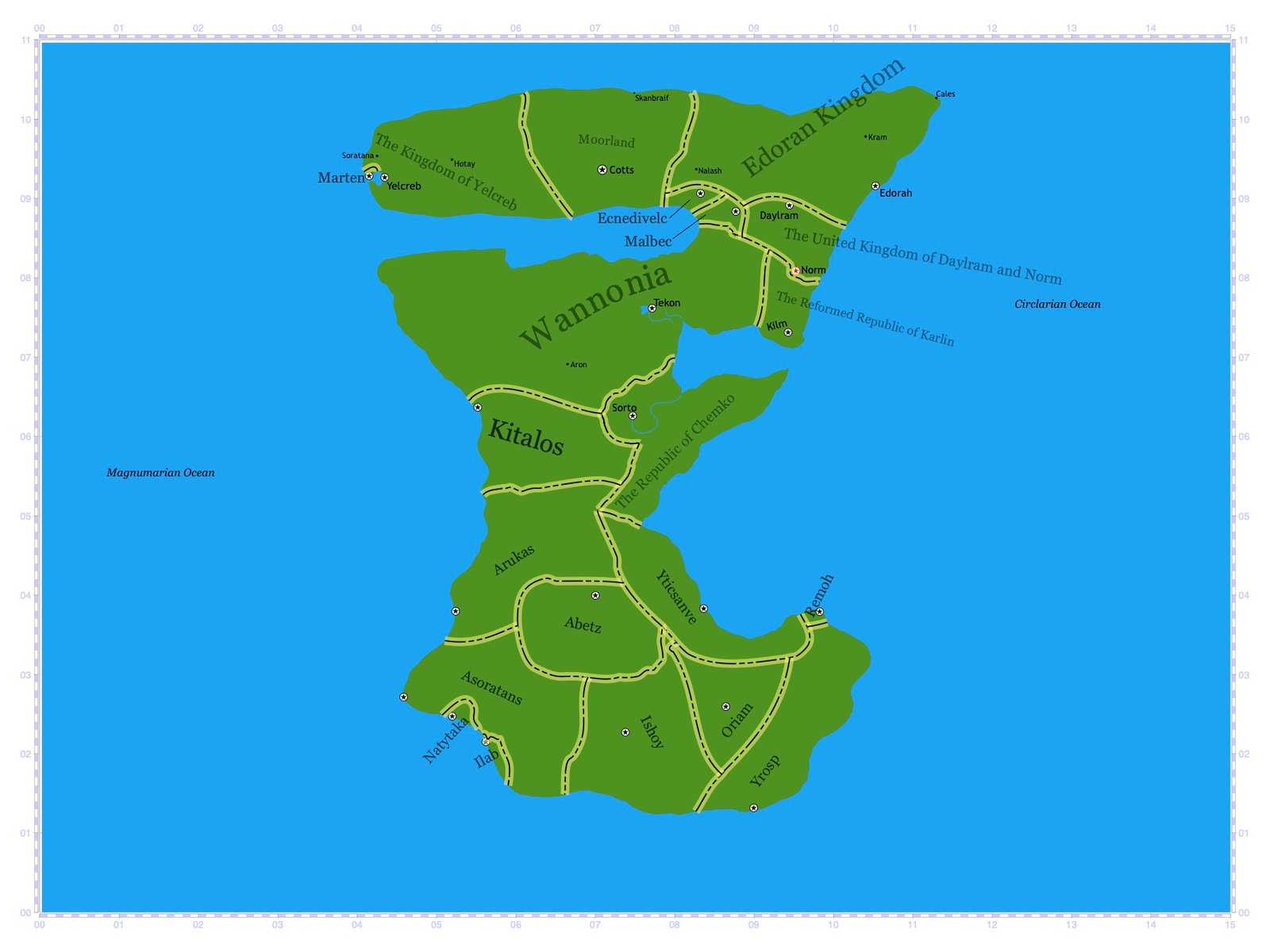
Every six years, during the second week in the month of May, Edoran Parliament would have seat elections. Each seat was either a Lord or a representative from a particular county, with the former assuming a more leader-like position. Every term, the new Parliament would vote in a Majority Leader. Until 894, Parliament was situated in the city of Kram.
All laws of the Edoran Kingdom were formally proposed to Parliament by one of its Members. Parliament would then have fifty days to cast a simple majority vote to fail or pass the bill. Passed bills went to the Crown to be enacted or vetoed. Most importantly, it was Parliament, not the King or Queen, who had control over taxes.
In 861, Parliament voted in two important documents: the Edoran Bill of the Crown Authority and the Edoran Bill of Rights. Under the Crown Authority, monarchy powers were handed over to Queen Erin, in the wake of Jacob III's death the previous year. Queen Erin had the authority to appoint ambassadors and judges, command over armed forces, and the power to execute laws. Under the latter, however, the Queen was obligated to be faithful to these laws, and such laws were made by Parliament.
The Edoran Bill of Rights greatly resembled the Kramian Bill of Rights. Under such, the people had freedom of religion, expression, and peaceful assembly. They also had the right to bear arms, while the Crown could not employ armies during peace time. Regulated by the Courts, warrants had to be issued in order for arrests and searches to be carried out, while criminal suspects had the right to an attorney and a fair trial under due process. Under such circumstances, cruel and unusual punishments were prohibited. Furthermore, the rights listed in this Bill did not give the government permission to violate other rights of the people, while powers not otherwise spelled out to the Crown or Parliament were given to the people.
The Rise of Alvin Parse
Regardless of such progress, Alvin Parse felt that the Kramers were oppressed and marginalized in the years after the conflict. He upheld the Kramer Church Doctrine, but further believed that the Parliament and Crown were corrupt, and that the Church needed to function as the government. In 863, Parse founded the Edoran Evangelical Church of Kram. In 883, he gained followers for his cause and led a coup against Parliament. However, this failed, and Parse was imprisoned for two years.
During his stay in jail, Parse received letters of support from his followers, and a call for him to run for Parliament upon his release. It was at this point that Parse saw an opportunity. If he won a seat in Parliament, he would be able to utilize his powers to sway Parliament into voting his Church establishment into power. Parse was released in 886; and in the following year, he began his campaign.
Most of Parse's campaign took place in the county that he would be representing. During this time, he was met with resistance from Edorans who thought he was too radical. His followers confronted the resisters with violence, prompting a lawsuit against Parse. However, Parse won this, as the Court ruled that Parse was not directly responsible for the violence. Despite the resistance, in May 888, Parse won his seat in Parliament, which now housed a majority containing his followers. Shortly thereafter, the new majority voted him the Majority Leader.
Conflict with the Crown, The Fall of Alvin Parse
Under Alvin Parse's influence, Parliament voted in a measure compromising the first provision under the Bill of Rights so that taxpayer funds could be diverted to the establishment and missionary cause of the Evangelical Church. However, Queen Erin rejected the measure and allocated such funds, instead, to the Royal Treasury. In response, Parse declared war on the Edoran Crown. Followers of Parse took up arms and drove out Edoran forces and opposition leaders of Parliament. Queen Erin dispatched her forces, which easily overran the city of Kram. But then Parse's followers fought back, as the area of the city was evenly divided between the opposing forces.
In May 894, with Parse's agenda losing popularity, opposition figures were elected into majority in Parliament. However, Parse and his followers refused to leave the Parliament Building, forcing the Queen's troops to place it under siege. In September of that year, with him refusing to surrender but running out of resources, Parse devised and successfully carried out an escape plan. Nevertheless, feeling abandoned, his followers surrendered, allowing Parliament for the next term to finally take office.
In November 894, Parliament voted to move its chamber to Edora proper.